

As of May 30, 2024, the Ukrainian government approved the implementation of the electronic consignment note (e-CMR) for domestic cargo transport. This change brings new delivery regulations for carriers, as the country moves towards digitizing transport documentation. Here’s a breakdown of what e-CMR is, why it’s being introduced and how businesses can prepare for this shift.
What is e-CMR, and Why Is It Being Introduced?
An electronic consignment note (e-CMR) is a digital version of the traditional paper consignment note used to document the transportation of goods within Ukraine. The introduction of e-CMR aligns with Ukraine’s broader digitalization strategy, aiming to streamline document processing, reduce errors and increase transparency in the logistics industry.
As of June 2024, e-CMR is still in a pilot phase and has yet to be fully legislated, but companies can participate by registering with electronic document exchange platforms. The government plans to integrate e-CMR with other state information resources for a comprehensive system test. This includes the Weigh-in-Motion (WIM) system, a unified register for alcohol transport notes, the electronic timber accounting system, and information systems of the State Transport Safety Service of Ukraine.
Initially, e-CMR will be used for transporting products such as dairy raw materials, bread and bakery products, timber, ethanol, alcoholic beverages, sanitary goods and other items. The system adheres to international data exchange standards, facilitating integration with the European e-CMR (electronic consignment note) system in the future. The adoption of e-CMR could simplify business processes and document management for international transport.
Why e-CMR Is Necessary and How to Prepare for the Change
To prepare for e-CMR implementation, companies are advised to train employees to complete and sign digital documents, obtain Qualified Electronic Signatures (ECP) and ensure that the company’s software supports new data exchange standards to comply with e-CMR requirements.
Regulatory Framework for e-CMR in Ukraine
e-CMR implementation in Ukraine is governed by several key legal acts:
- Law of Ukraine “On Electronic Trust Services” – Establishes the legal basis for using electronic consignment notes and electronic signatures.
- Cabinet of Ministers Resolution No. 1045 (December 27, 2017) – Approves the procedure for electronic document management.
- Order of the Ministry of Infrastructure of Ukraine No. 255 (May 31, 2018) – Sets requirements for consignment notes, including electronic formats.
Various forms of consignment notes are regulated by authorities such as the Ministry of Agrarian Policy and the Ministry of Internal Affairs.
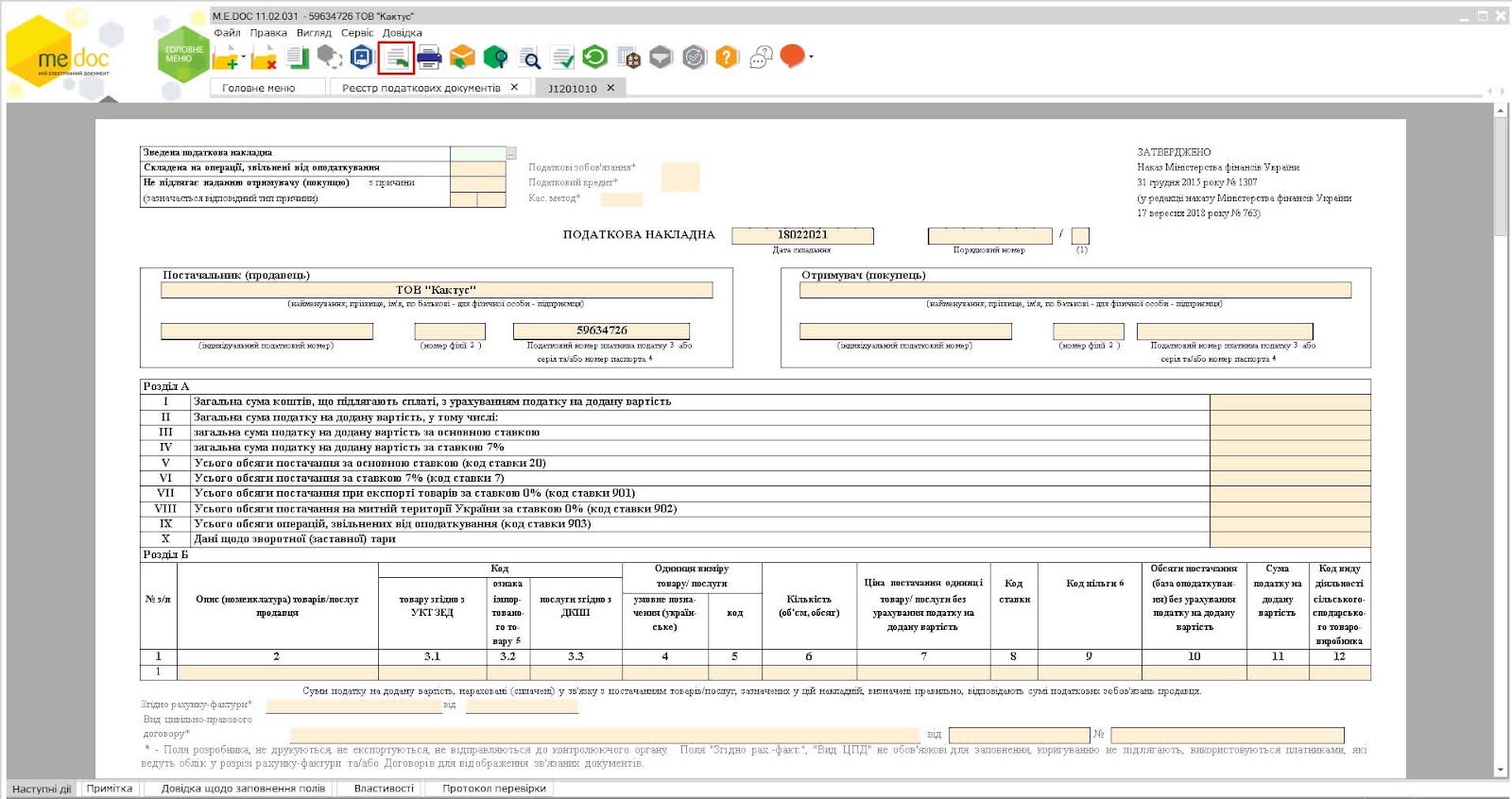
How to Send e-CMR Using M.E.Doc
M.E.Doc is a popular electronic document management software in Ukraine and it can be used to send e-CMR. Follow these steps to use it for e-CMR:
- Registration and Setup. Register in the M.E.Doc system and set up your company profile.
- Creating the Consignment Note. Choose the option to create a new e-CMR in the “Documents” section.
- Filling in Data. Enter all required information, including details of the sender, receiver, cargo and transport.
- Signing the Document. Sign the e-CMR using a digital signature (ECP).
- Sending. Submit the consignment note via M.E.Doc to the counterparty or the relevant authority.
With e-CMR, Ukraine’s logistics industry is moving towards greater digitalization and integration with international systems. By preparing now, businesses can ensure a smooth transition and take advantage of the benefits that digital documentation offers.